
In the last decade, thousands of healthcare startups have emerged across India.
Most had:
- Strong founders
- Innovative ideas
- Access to capital
And yet — many failed.
Not because they ran out of money.
But because they failed clinical reality.
In healthcare, success is not just about whether a product works. It is about whether it works:
- Inside real hospital workflows
- Under pressure
- Without increasing cognitive load
Because while engineers optimize for efficacy (can it work?), clinicians care about effectiveness (does it work in my environment?).
In most industries, adding features is progress.
In healthcare, reducing friction is progress.
Healthcare does not follow the rules of traditional tech.
- Move fast and break things
- Iterate blindly
- Scale before validation
Because failure here is not just commercial.
👉 It is clinical.
A product may look brilliant in a demo.
But it fails when:
- Used in real workflows
- Tested on real patients
- Evaluated by real clinicians
Most startups try to change how doctors work.
That is the fastest way to fail.
Healthcare does not reward disruption of behavior.
It rewards alignment with behavior.
The graveyard of MedTech is filled with products that were technically superior — but demanded clinicians to relearn decades of muscle memory.
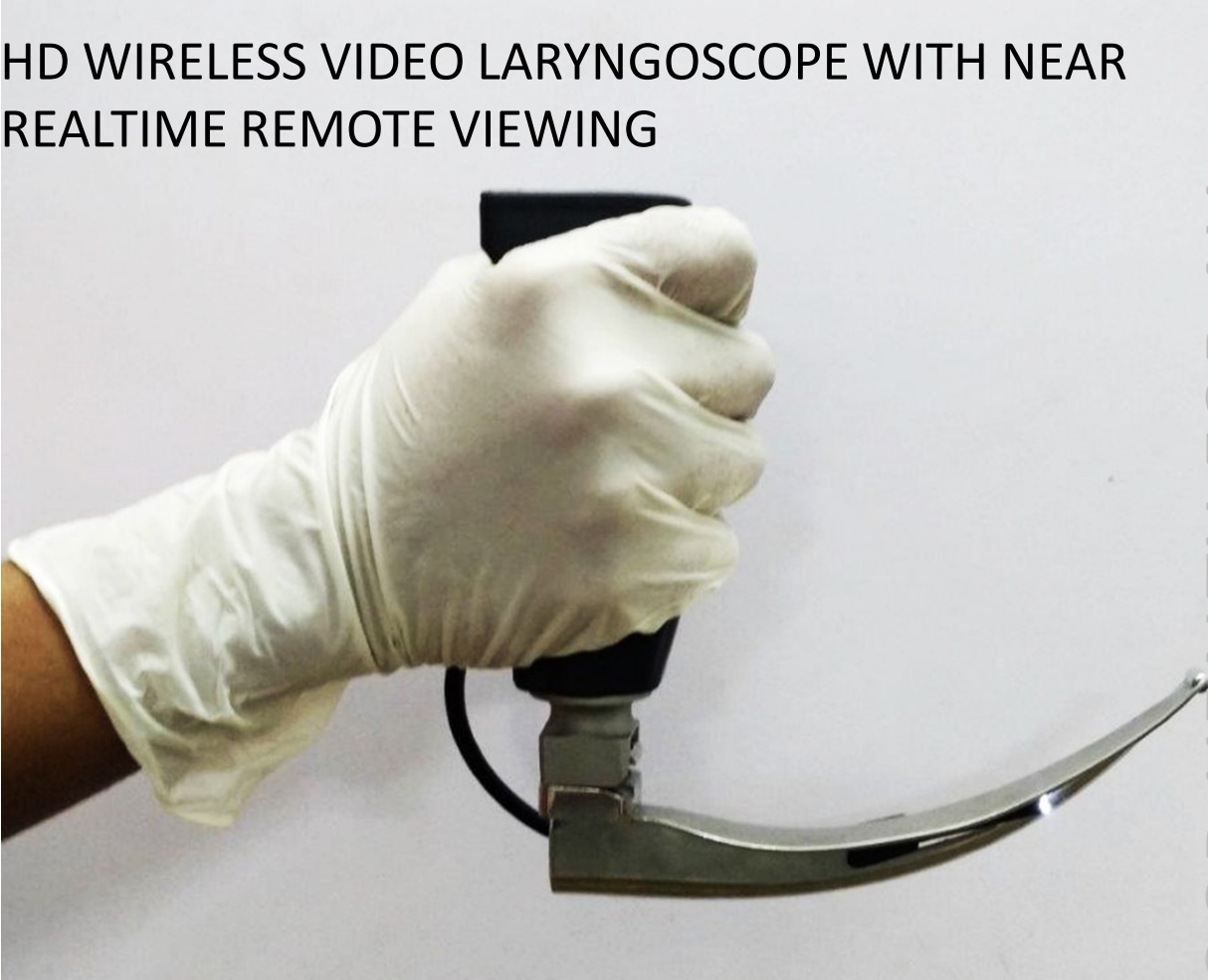
When we built and scaled a video laryngoscope, we made a deliberate decision: We did not redesign the blade.
We used the exact same blades clinicians were already trained on.
Why?
- The feel remained identical
- The muscle memory stayed intact
- The learning curve disappeared
Adoption was not forced.
It was natural.
This decision did more than improve usability.
It changed the regulatory pathway.
By retaining the same blade design, the device fell under a lower-risk classification (Class II).
- Faster approvals
- Lower compliance burden
- Earlier market entry
- Significant savings in time and capital
👉 Design, clinical usability, and regulatory strategy are not separate decisions — they are the same decision.
- Approval timelines
- Documentation rigor
- Compliance requirements
Regulation is not a hurdle at the end.
It should shape the product from day one.
- Build for investors
- Pitch for grants
- Follow trends
Instead of solving:
👉 a real clinical problem
- Burned capital
- Operational chaos
- Loss of trust
- Clinical-first thinking
- Regulatory awareness
- Workflow-aligned execution
Not every healthcare startup should be funded.
The real risk is not missing the next big thing.
👉 It is backing something that should never scale.
- Better validation
- Stronger filtering
- Deeper clinical involvement
“Is this innovative?”
But:
👉 Will this work in the real world?