
Healthcare Innovation Fails When Clinical Reality Is Ignored.
Over the last decade, I've built medical devices, scaled healthcare ventures, secured patents, reduced device costs by 60%, mentored national incubators, and exited a profitable healthcare startup.
Today, I work with startups, incubators, and investors trying to build healthcare innovation that survives outside presentations — inside hospitals, workflows, regulation, procurement, and real-world deployment.
A Surgeon-Led Approach to Healthcare Innovation
Built from clinical reality — not from startup theory alone.
Most healthcare ventures do not fail because the technology is weak. They fail because healthcare systems are operationally unforgiving.
Products that appear impressive during presentations often collapse inside real hospitals because of workflow friction, procurement barriers, clinician resistance, regulatory blind spots, manufacturing complexity, or deployment impracticalities.
This work exists to bridge the gap between healthcare innovation and real-world adoption — using firsthand experience across surgery, healthcare systems, startup building, institutional ecosystems, and medical deployment environments.
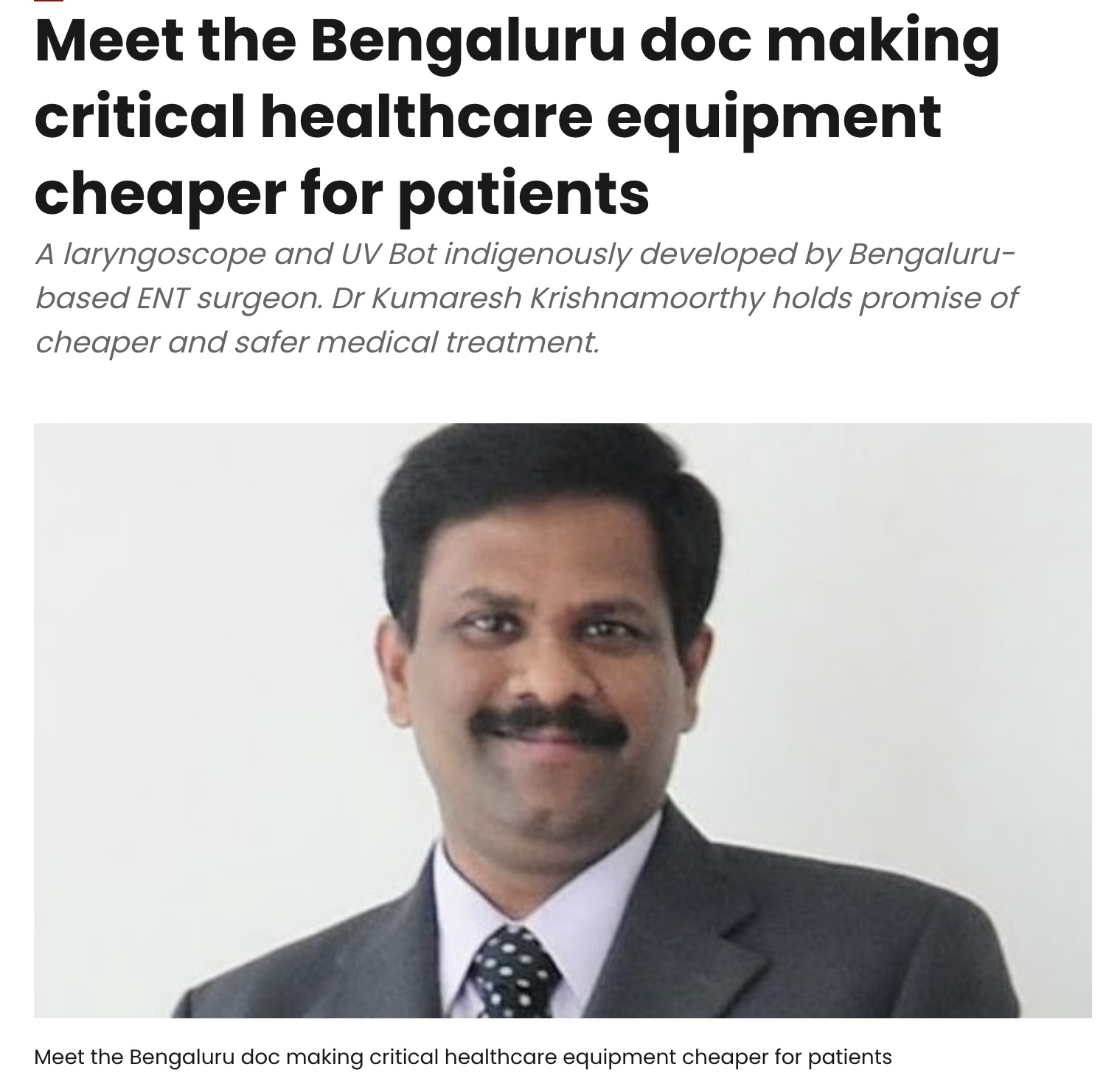
Reducing Cost Without Reducing Capability
Healthcare innovation becomes meaningful only when it can survive real-world deployment across hospitals with varying infrastructure, budgets, and operational constraints.
Several systems developed through this work focused specifically on reducing dependence on expensive imported technologies while improving deployment practicality inside clinical environments.
- Reduced device costs by nearly 60% compared to imported alternatives
- Focused on usability inside real emergency and operating environments
- Designed for practical deployment instead of presentation-stage appeal
- Built around affordability, scalability, and clinician adoption
Built Inside Real Operating Rooms
The strongest healthcare systems are validated where clinical pressure is highest — not inside conference presentations, but inside emergency rooms, ICUs, operating theatres, and active hospital workflows.
The wireless video laryngoscope platform was designed to improve airway management accessibility while enabling remote visualization, training, and procedural support.
The goal was never just invention. The goal was clinical usability, adoption, affordability, and deployment reality.
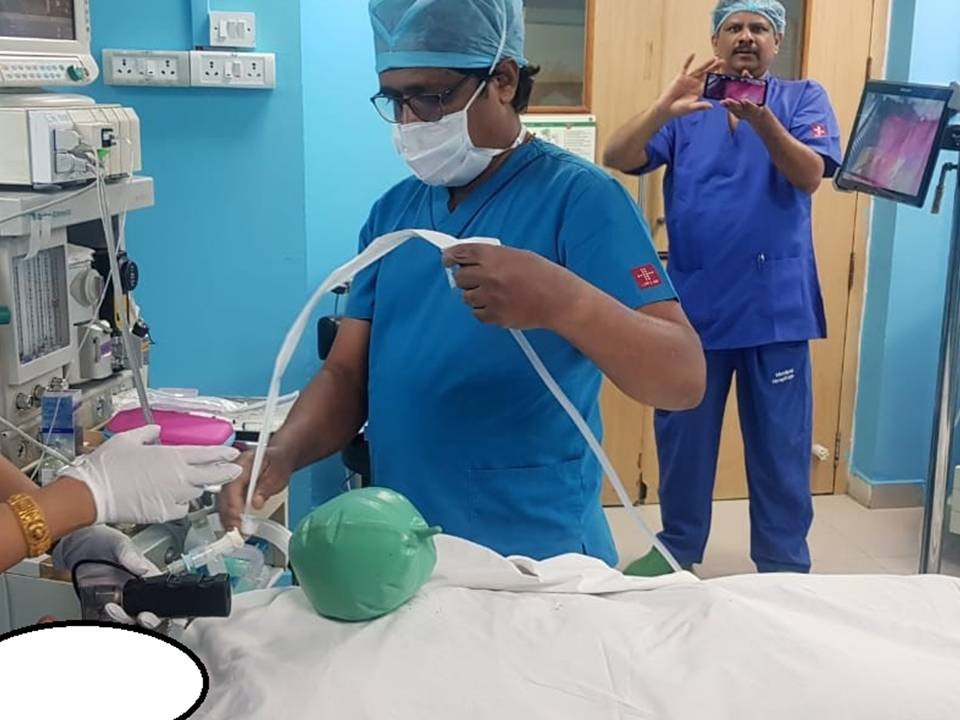
Built, scaled & deployed — not just advised.
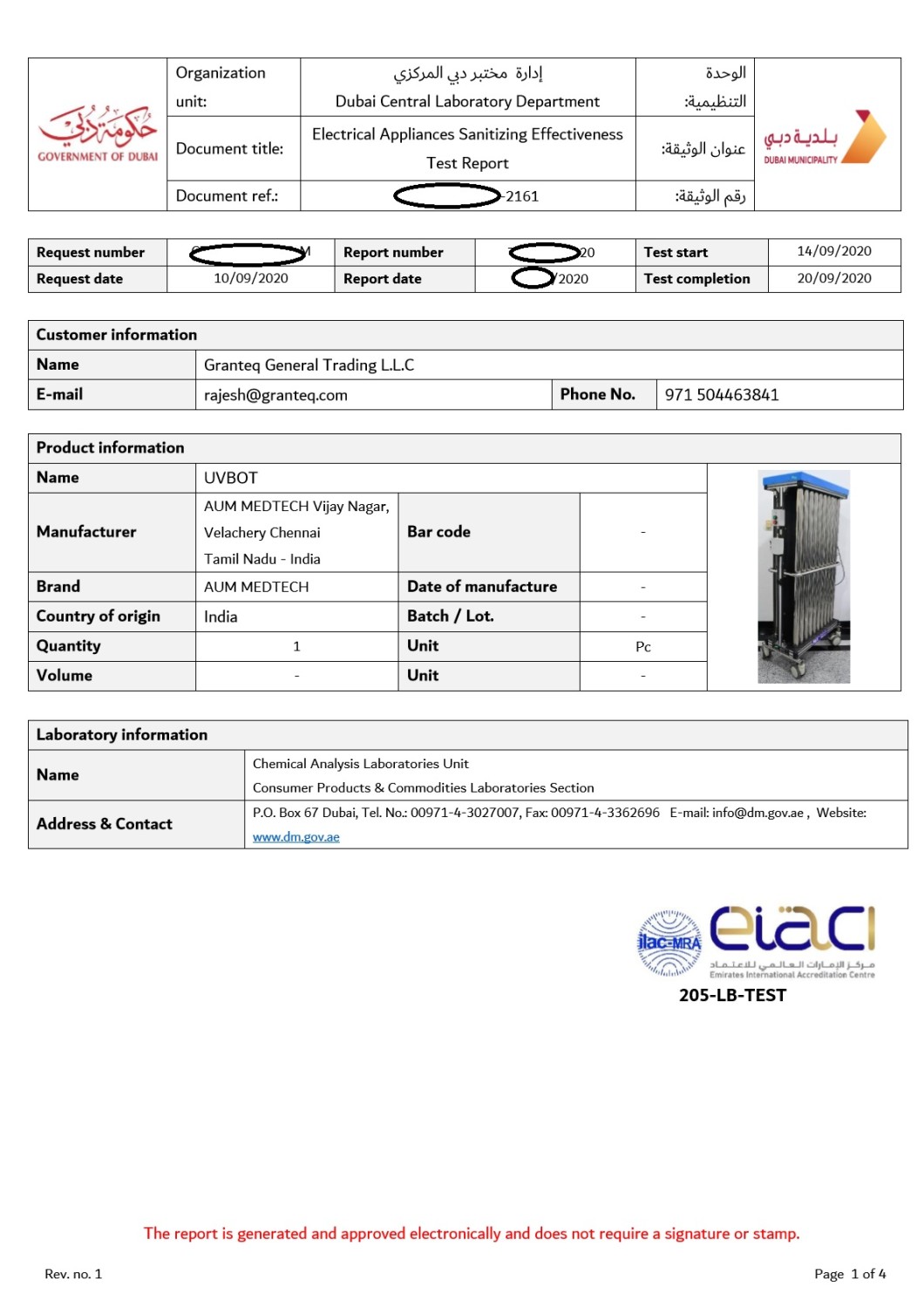
From Indian Clinical Challenges To International Validation
Healthcare systems designed under operational pressure often become globally relevant because they prioritize practicality, scalability, affordability, and deployment efficiency.
Several innovations developed through this work moved beyond conceptual demonstration into real deployment environments, including international testing and adoption pathways.
The emphasis has consistently remained the same: build systems that work inside real healthcare environments — not just inside pitch decks.
Supporting Founders, Institutions & Investors
Building products that must survive clinical workflows, hospital systems, regulation, and healthcare scale.
Strengthening healthcare startup selection, mentorship, and clinical evaluation frameworks.
Reducing healthcare investment risk through operational and clinical due diligence.
Connecting medicine, engineering, institutions, and healthcare deployment realities.
The Problem Usually Appears After Funding.
Many healthcare products disrupt hospital workflows instead of integrating naturally into clinical environments.
Hospital purchasing systems are slower, more layered, and more operational than most founders anticipate.
Healthcare products frequently underestimate certification, compliance, and deployment complexity.
Clinicians reject systems that increase workflow burden, operational friction, or decision fatigue.
Healthcare Innovation Requires More Than Advisory.
Whether supporting founders, evaluating healthcare ventures, strengthening institutional ecosystems, or guiding investment decisions — the focus remains the same: building healthcare innovations that can survive outside the pitch deck.
STRATEGIC PARTNERSHIPS